Services

Treatment starts with the problem, not the product.

Orthodontic treatment is highly individualized. Two people can have similar teeth, bites, and jaw relationships but different goals, preferences, or priorities; and the right treatment approach may be different for each.

How We Plan Treatment

Similar smiles don't always mean similar treatment.

The goal is to understand what matters to each patient, identify concerns or potential future risks they may not be aware of, and determine which treatment approach makes the most sense for the result we're trying to achieve.

Outside → In

  1. Patient Preferences & Treatment Goals
  2. Facial Harmony
  3. Jaw Relationships
  4. Bite
  5. Teeth

Treatment Options

Choosing how we move the teeth.

Different instruments can be used to reach similar goals. The tradeoffs are in visibility, durability, treatment flexibility, patient effort, and efficiency.

In general, moving from metal braces to clear braces to clear aligners means trading some treatment efficiency and flexibility for a less visible treatment option.

Recommended Most Often

Metal Braces

Teeth respond to the forces placed on them regardless of the appliance. Metal braces give Dr Zack the greatest flexibility for controlling tooth movement while being durable and efficient.
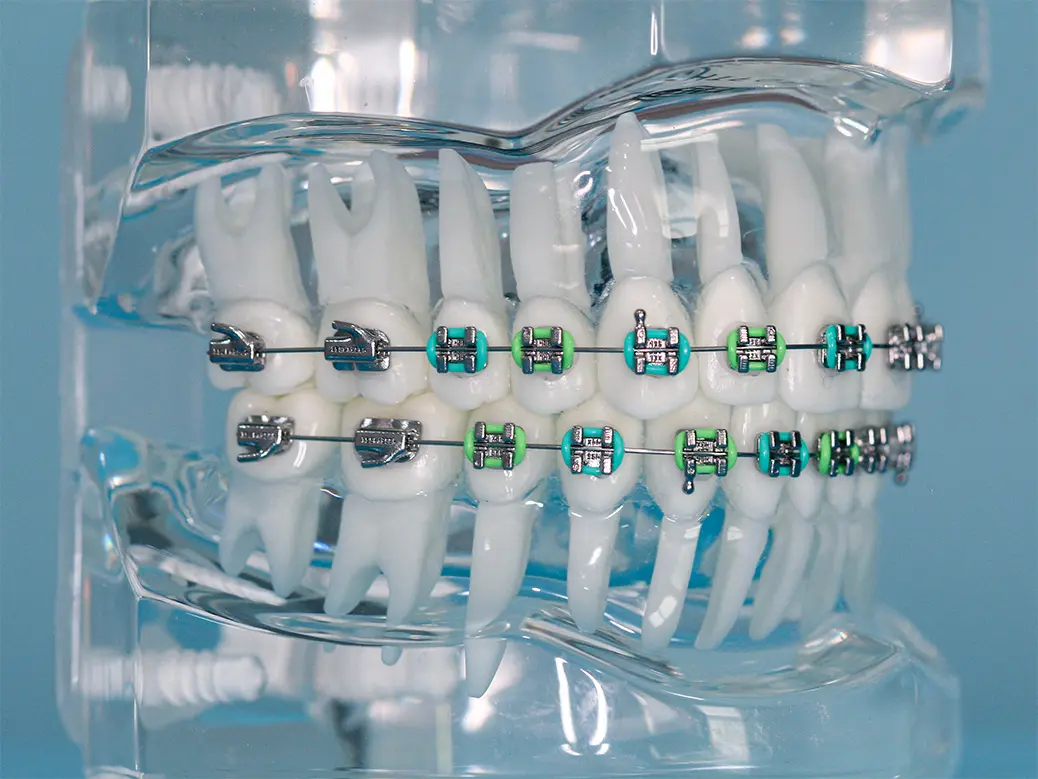
Dental display model showing metal braces
  • Most durable bracket option
  • Greatest flexibility for complex tooth movements
  • Less patient management than clear aligners
  • Typically the lowest-cost option
  • Recommended by Dr Zack for most cases
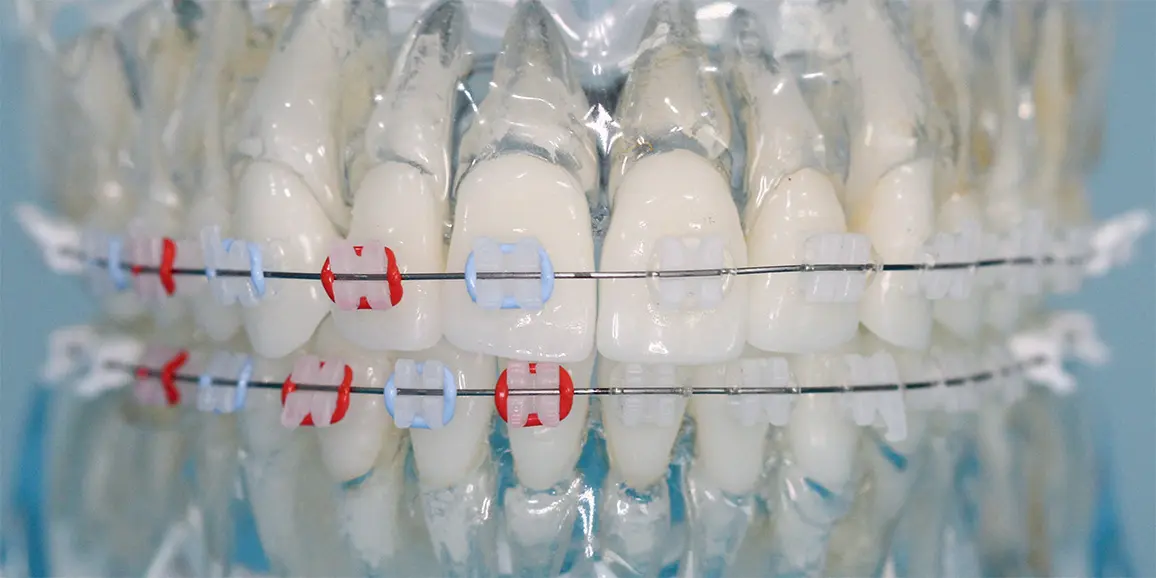
More Discreet, Slower

Clear Ceramic Braces

Clear braces work much like metal braces but use ceramic brackets that blend more naturally with the teeth. With pearl-colored ties, they can be difficult to notice from a normal conversational distance.

Dental display model showing clear ceramic braces
  • Much less visible than metal brackets
  • Colors can still be used if desired
  • Ceramic brackets are bulkier and more fragile
  • Require more care during treatment
  • May take somewhat longer than comparable metal-brace treatment

Most Discreet, Slowest

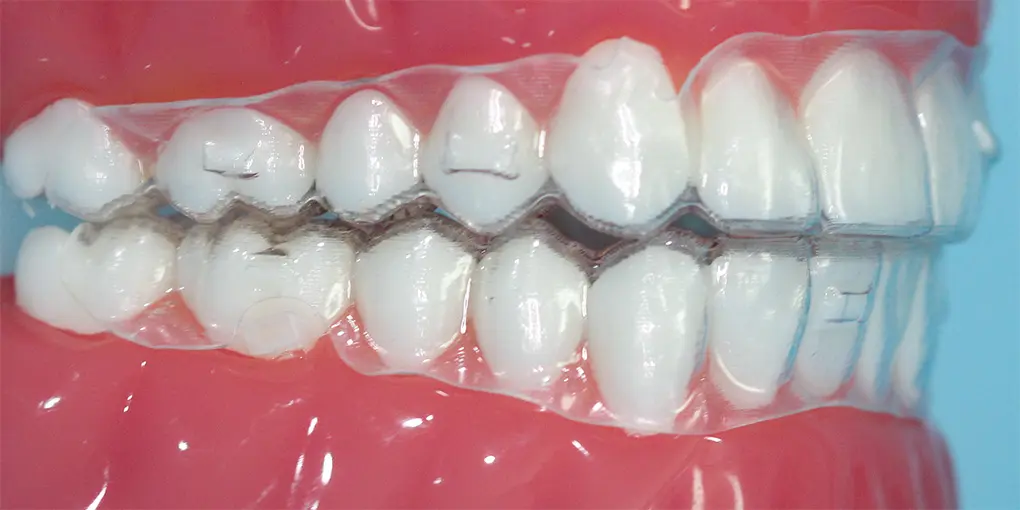
Clear Aligners

Clear aligners offer the least visible treatment option, but they also place considerably more responsibility on the patient and give the orthodontist fewer ways to control certain tooth movements.

Dental display model showing clear aligners
  • Removable and highly discreet
  • Must be worn consistently
  • Removed for eating and oral hygiene
  • Less flexible for some complex tooth movements
  • Refinements can add time when small adjustments are needed

Facial Harmony

The face comes first. Then the jaws, bite, and teeth.

Dr Zack starts by looking at the patient as a whole; what they want to accomplish, how the face is balanced, how the jaws relate, how the bite fits, and finally where the individual teeth are positioned. The goal is to improve what can be improved while protecting the facial qualities that already work well.

Jaw Relationships

The jaws help set the foundation.

A patient can have relatively straight teeth while the upper and lower jaws still do not fit together properly. Jaw relationships can affect the bite, facial balance, and the treatment options available. Evaluating jaw position is an important part of determining an appropriate treatment plan.

  • Upper and lower jaw relationship
  • Growth and skeletal position
  • Bite and facial balance

Tooth Position

Then we look at where the teeth are.

Once the jaw relationships are understood, Dr Zack evaluates tooth position. Common tooth-position problems include crowding, spacing, and teeth that are rotated or otherwise out of position.

  • Crowding
  • Spacing
  • Malpositioned teeth

When Moving the Teeth Isn't Enough

Tooth movement can compensate for some jaw differences. Others need to be addressed directly.

Most patients have some degree of jaw-position discrepancy, but jaw surgery is not recommended for most orthodontic cases. In a smaller group of patients, the jaw relationship is significant enough that moving the teeth alone cannot create a healthy or satisfactory result.

Growth Modification

For patients who are still growing, growth-modification treatment can sometimes help guide jaw development toward a healthier relationship.

Orthognathic Surgery

For significant skeletal problems in patients who are nearly finished growing or fully grown, orthognathic surgery may be required to achieve a satisfactory result.

Borderline Cases

Some cases fall in a range where either camouflage treatment or jaw surgery may be reasonable. Treatment length, recovery, cost, facial changes, and the patient's goals all become part of the decision.

Making Room

Crowded teeth need somewhere to go.

Crowding happens when there is more tooth structure than the available space can comfortably accommodate. Before moving the teeth, Dr Zack determines where the needed space should come from.

The right approach depends on the teeth, jaws, growth, facial harmony, and amount of crowding present.

Creating Space

Four ways we can make room.

Creating space may involve widening the arch, making small adjustments between teeth, moving teeth farther back, removing teeth, or a combination of approaches.

Expansion

Increasing the width of the dental arch can create room for crowded teeth. In growing patients, certain approaches may also influence jaw development.

Interproximal Reduction (IPR)

Small amounts of enamel can be carefully removed between selected teeth when a modest amount of additional space is needed.

Extraction

When crowding is significant or other treatment goals make it appropriate, removing one or more teeth can provide the necessary space.

Distalization

Teeth can sometimes be moved farther toward the back of the mouth to create room elsewhere in the arch. Whether this is practical depends on the patient's anatomy and treatment needs.

Your Treatment Plan

Not sure what any of this means for your smile?

You don't need to figure out the treatment before you come in. That's what the consultation is for. Dr Zack can evaluate what's happening, explain the options, and help you understand the tradeoffs.

Finishing the Smile

The final result can involve more than orthodontics.

Orthodontics controls where the teeth are positioned, but tooth size, shape, and other esthetic concerns can also affect the finished smile. In those cases, Dr Zack may coordinate treatment with the patient's general or restorative dentist.

Orthodontic Space Closure

Some spaces can be closed by moving the teeth. Whether that is the best option depends on tooth size, proportions, the bite, and the final position we are trying to create.

Composite Bonding or Veneers

When a tooth is too small, misshapen, or needs a different proportion, a restorative dentist may add tooth structure with composite bonding or a veneer. The restorative dentist typically recommends which material is most appropriate.

Tooth Proportion Matters

A common example is an upper lateral incisor that is smaller or differently shaped than ideal. When upper and lower tooth sizes do not match well, we have to decide whether to make some teeth smaller, make others larger, or use a combination of approaches.

Orthodontics and restorative dentistry should be planned together.

Dr Zack's role is to position the teeth so the bite, facial harmony, and planned restorative work can fit together. The restorative dentist determines the final material and restorative treatment.

Retainers & Guards

Keeping the result is part of the treatment.

Teeth can continue to move after orthodontic treatment, which is why retention matters. Rather than offering one retainer for everyone, The Orthodontist provides several options with different combinations of comfort, durability, and protection.

Samples are available in the office so patients can see and handle the options before deciding what makes the most sense for them.

Comfort

0.75mm Invisacryl

Our thinnest retainer and the option designed primarily for comfort. It can be a good choice for patients who do not grind heavily and are comfortable trading some durability for a thinner feel.

Good fit for

Comfort · Light or non-grinders

Tradeoff

Thinner material may require replacement sooner.

Most Common Retainer

Medium

1mm Invisacryl

A sturdier everyday option that balances comfort with additional durability. This is the most common retainer choice for patients who want something more substantial without moving to a heavy guard.

Good fit for

Everyday retention · Moderate grinding

Tradeoff

Thicker than the comfort option.

Hard Guard

2mm Invisacryl

A thicker, highly durable option for patients who grind heavily and want more protection. It can also hold the teeth in position like a retainer, but it does not require previous orthodontic treatment.

Good fit for

Heavy grinding · Maximum durability

Tradeoff

Thicker and more substantial.

Most Common Occlusal Guard

Hard / Soft Guard

Hard outer layer + soft inner layer

Combines a durable outer surface with a softer inner layer for patients who need significant protection but prefer a more cushioned fit. It can also function as a retainer when appropriate.

Good fit for

Heavy grinding · Protection with comfort

Tradeoff

The softer inner layer may wear sooner than the hard outer layer.

Occlusal Guards

You don't have to be an orthodontic patient.

Some patients come to The Orthodontist specifically for a guard to help protect their teeth from damage related to clenching or grinding. Hard and hard/soft guards can be made independently of orthodontic treatment.

Sports Protection

Protection during treatment and after.

For patients in braces, we offer sports guards that can be remolded as the teeth move during treatment. After treatment is complete, we can make a custom-fit soft sports guard designed around the patient's finished smile.

Choose In Person

You don't have to decide from a description.

Retainer and guard samples are available in the office so you can compare the thickness, flexibility, and feel before choosing.

Retainer Satisfaction Guarantee

1-Month Money-Back Guarantee

If you do not like how your retainer feels, bring it back within one month. Our first goal is to adjust it or make a better-fitting replacement, but if it still is not right for you, you can return it for a refund.

1-Year Warranty

If your retainer breaks within one year during standard use, we will replace it with a new one at no charge.

Dental Whitening

A finishing touch, included after treatment.

Patients who complete comprehensive orthodontic treatment with The Orthodontist and have a healthy mouth are eligible for complimentary dental whitening. We use carbamide peroxide whitening gel that works gradually over time in an appropriate tray, including compatible retainers or mouth guards.

A Gradual Process

Healthy whitening happens gradually.

Whitening is easier to evaluate over time than from one day to the next. Recording your starting tooth shade can make it easier to compare the change over the following weeks.

Ready When You Are

You don't need to choose the treatment. You just need to start the conversation.

Every treatment plan starts by understanding what you want to change and what Dr Zack sees clinically. From there, we'll explain the options, the tradeoffs, and what makes the most sense for you.

Schedule a Consultation

No referral required.